Why driveways crack in Memphis
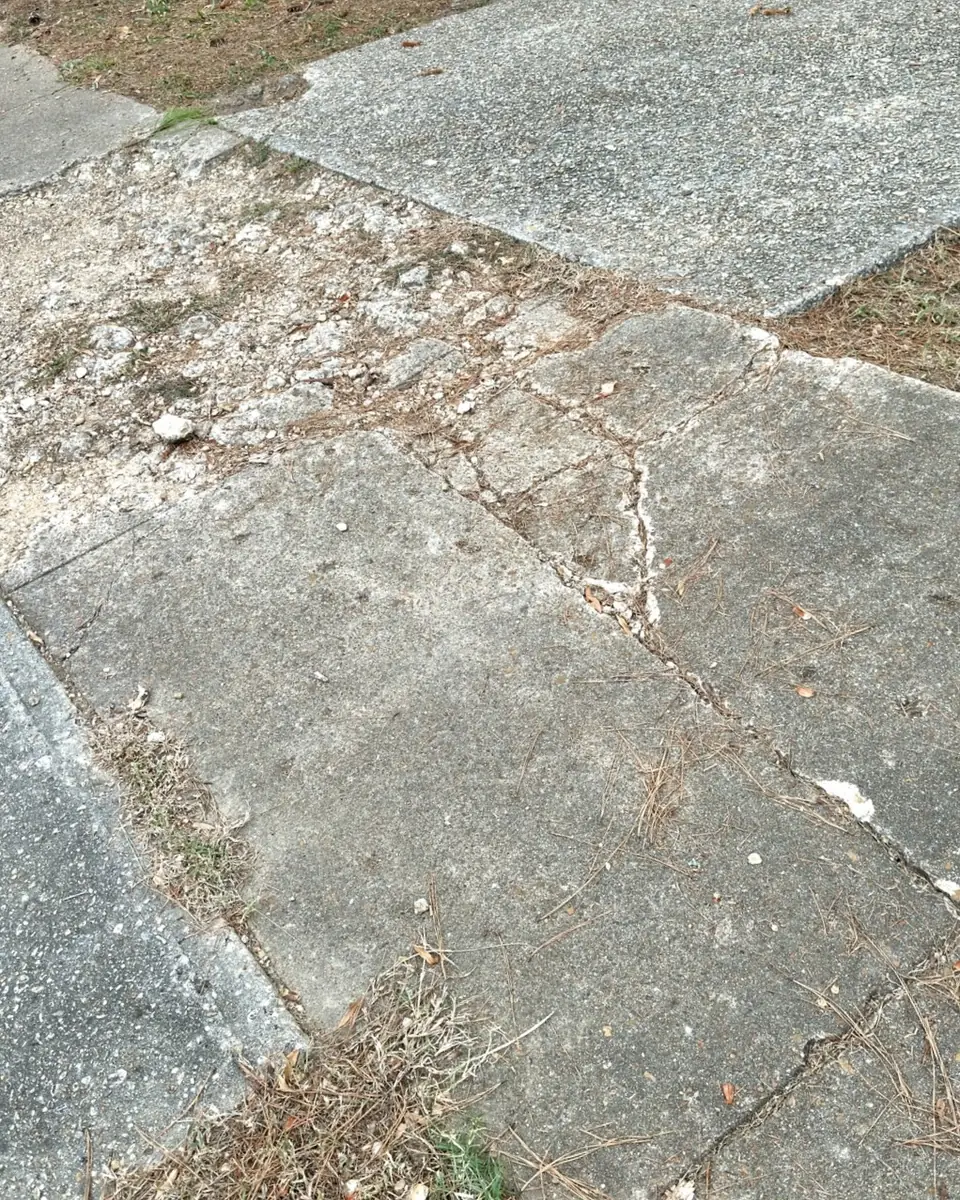
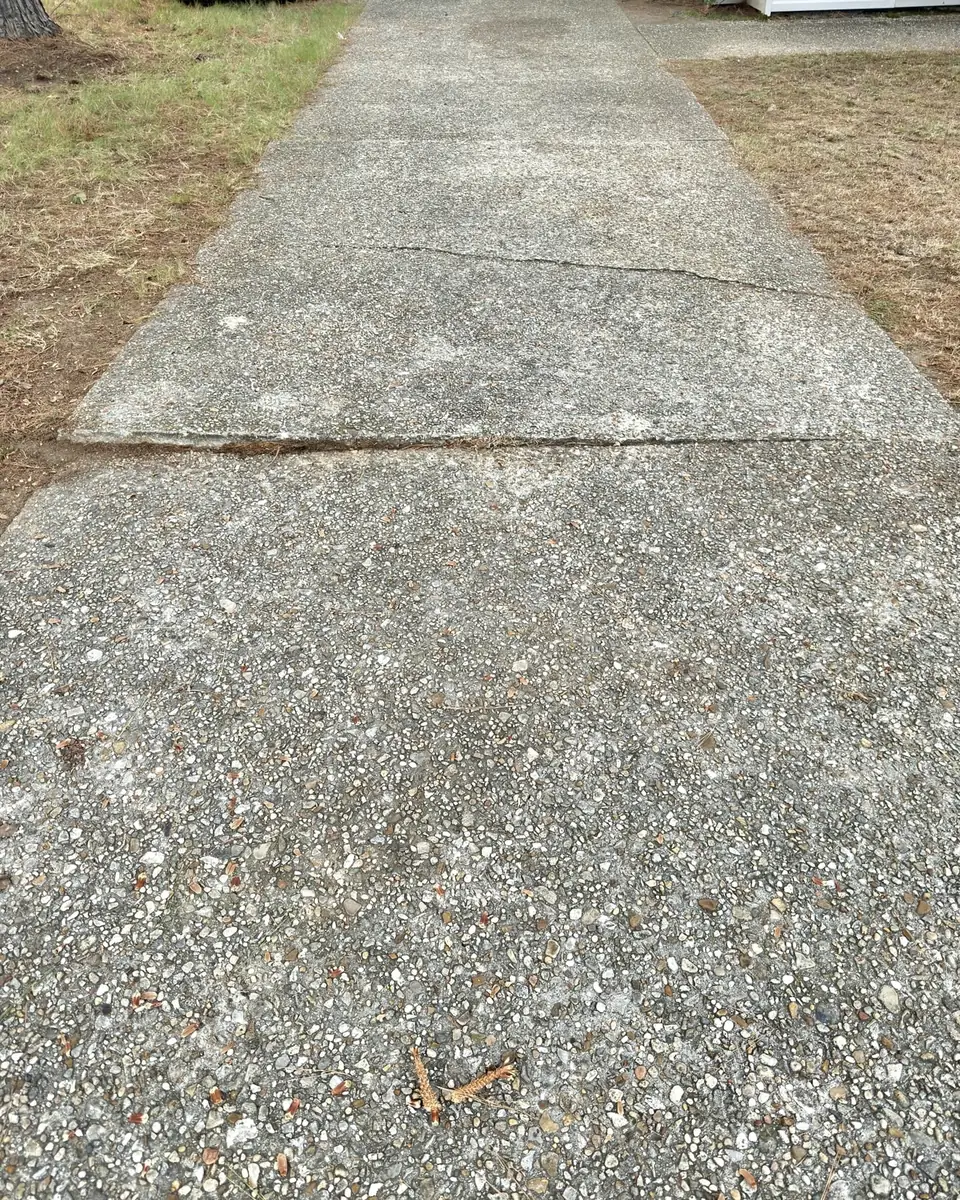
Most failed driveways fail underneath, not on top. Much of the Memphis area sits on clay that swells when it's wet and shrinks when it dries out, so the ground under a slab is always moving a little. Add mature oaks and maples whose roots run under the drive, and panels start to heave, settle and crack.
That's why patching the surface rarely lasts. If the base underneath has washed out or roots are lifting the slab, the cracks come back. A replacement fixes the cause, not just the look.
Repair or replace?
A repair can make sense when the damage is small and the slab is still level. Replacement is usually the better spend when:
- Cracks run across several panels or keep reopening after sealing
- Panels have heaved or sunk and created trip edges
- Water pools on the drive or runs toward the house
- The surface is crumbling, flaking or broken into pieces
- Tree roots have lifted the slab
How we replace a driveway
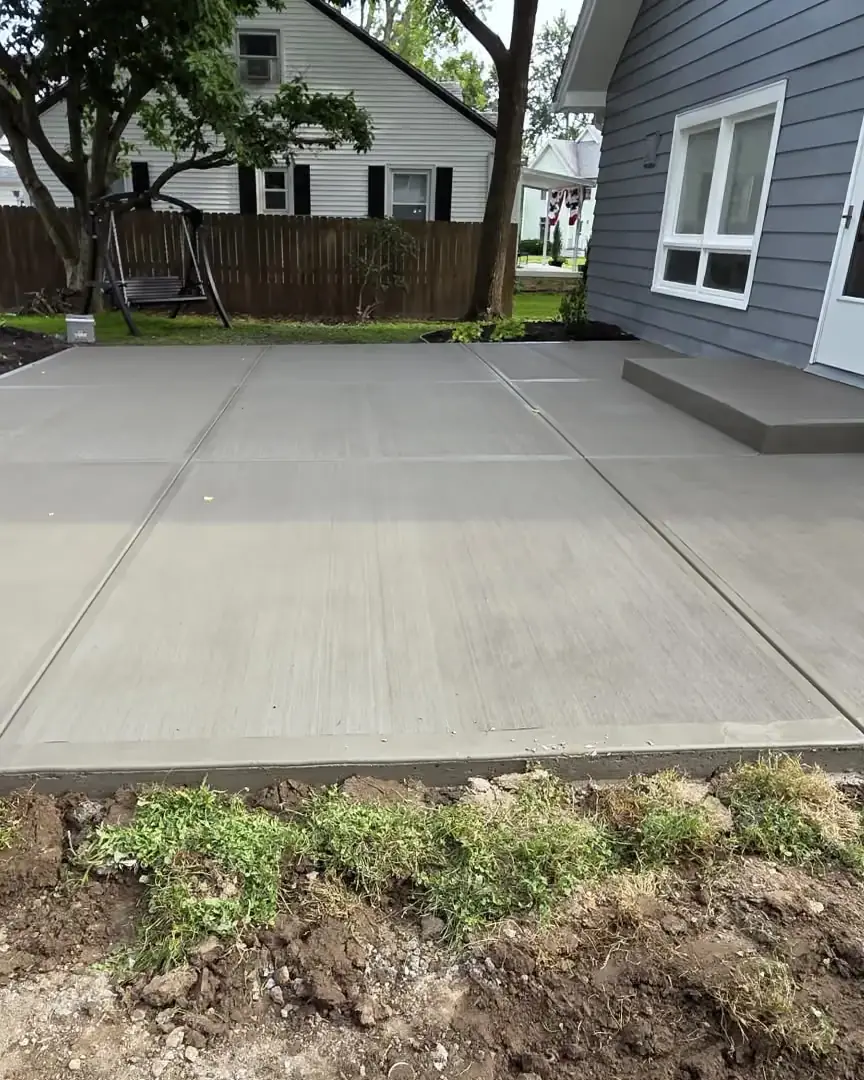
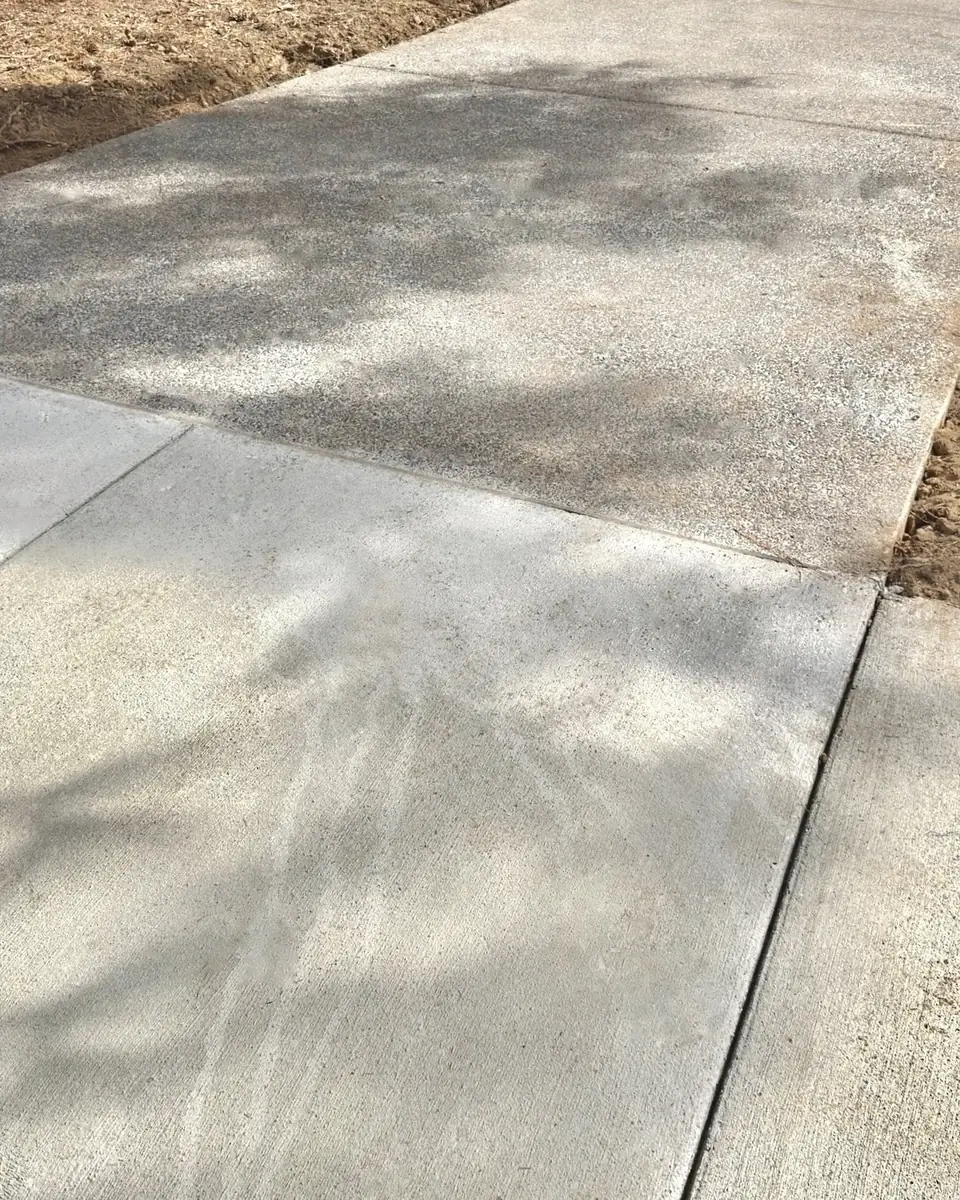
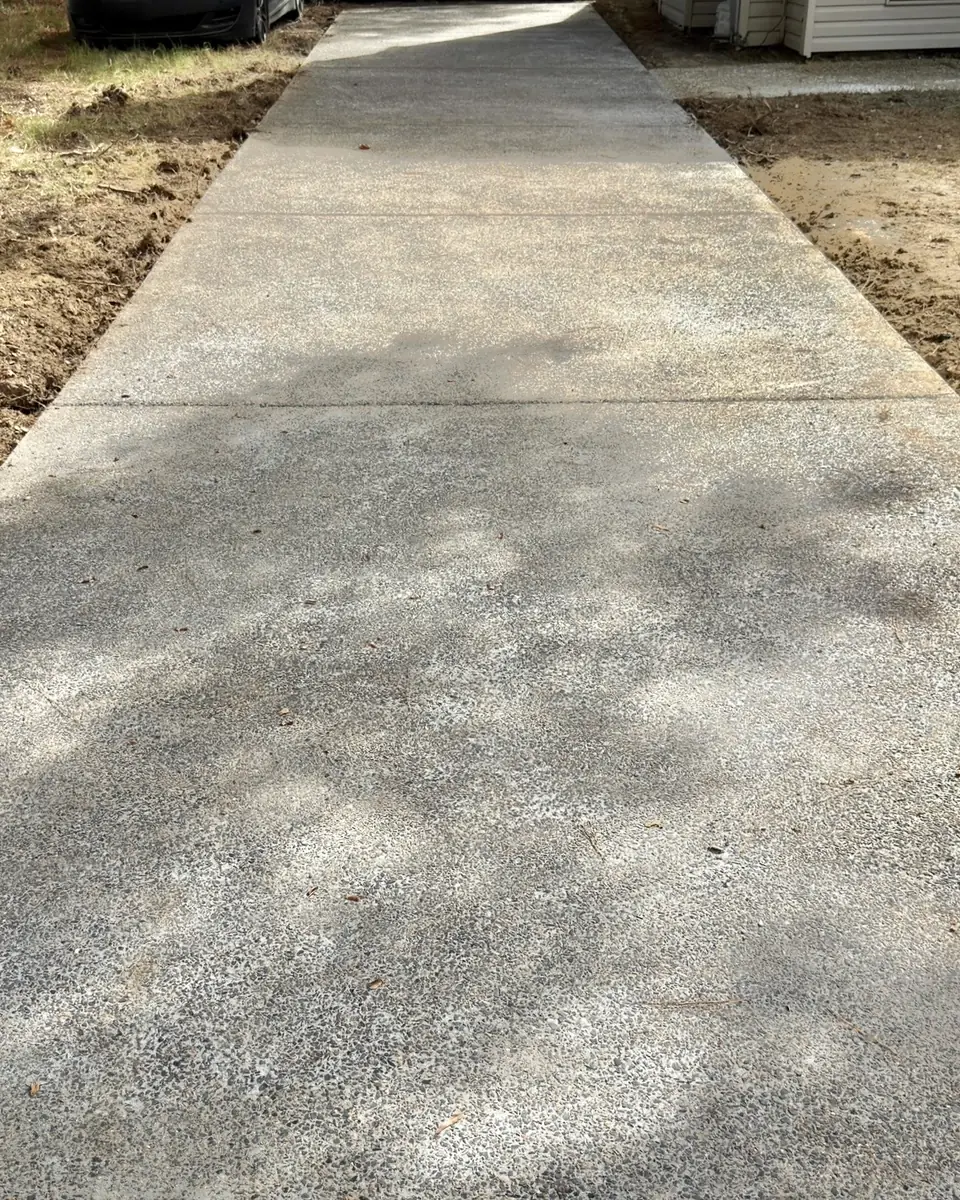
We break out the old concrete and load it straight into our dump trucks, so debris doesn't sit in your yard. We regrade and compact the base and add gravel where the soil calls for it. Then we set forms, place reinforcement and pour, finishing with a broom or exposed-aggregate surface and cutting control joints so any future cracking happens in a straight line, not across the middle of a panel.
If roots caused the damage, we'll tell you plainly what root cutting can and can't do, so you can decide whether the tree stays.
What a new driveway costs in Memphis
Every driveway is priced from its own photos and measurements, but these typical Memphis-area ranges help you budget before you call.
| New concrete driveway, installed | $6–$11 per sq ft |
|---|---|
| Removing the old driveway | +$1–$2 per sq ft |
| Typical two-car driveway (≈600–800 sq ft), tear-out and replace | $7,500–$12,000 |
What moves the price
- Size and thickness of the slab
- Whether old concrete has to come out first
- Base repair needed under the old drive
- Reinforcement and finish (broom or exposed aggregate)
- Access for trucks and equipment
- Work at the street apron, which may need a city permit